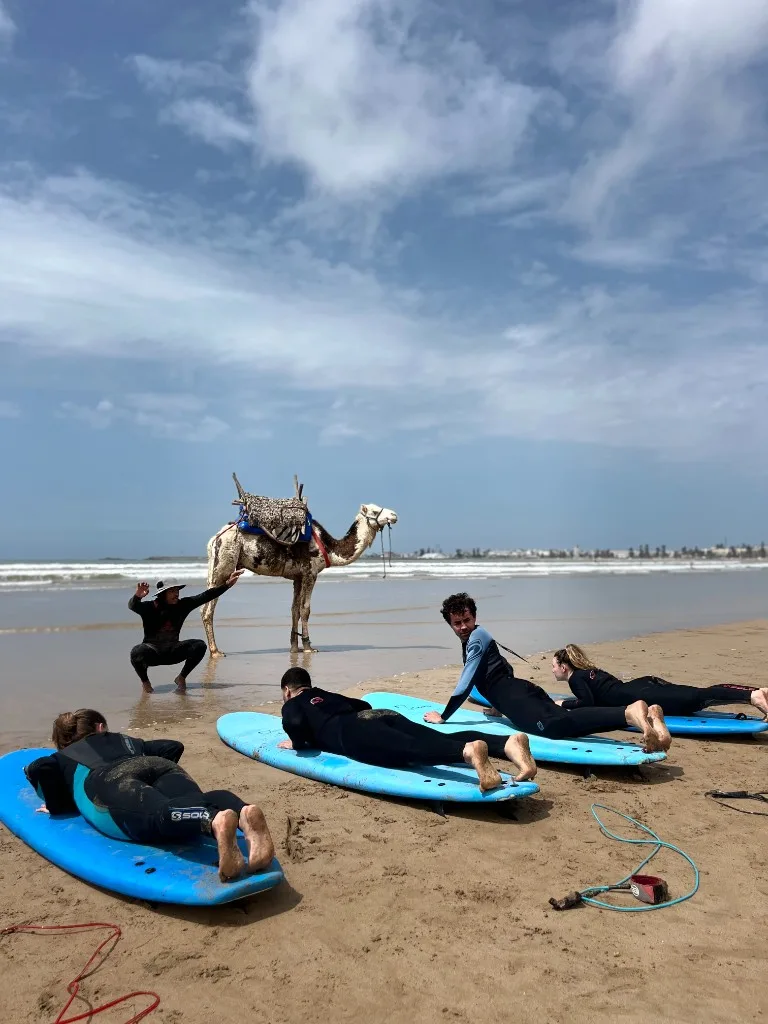
Essaouira is one of those rare places where a surf holiday does not mean sacrificing culture, food, or sleep. The Atlantic delivers consistent swell and world-famous wind, while the UNESCO medina offers labyrinthine streets, live music, and seafood grilled minutes after it left the boat. If you are planning a trip that centres on surfing but still wants Morocco to feel like Morocco, this Essaouira travel guide is built for you.
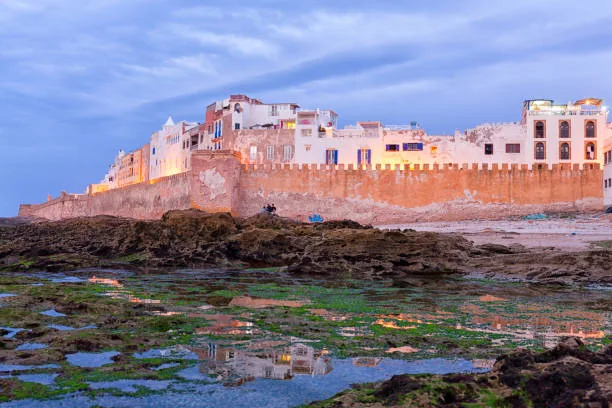
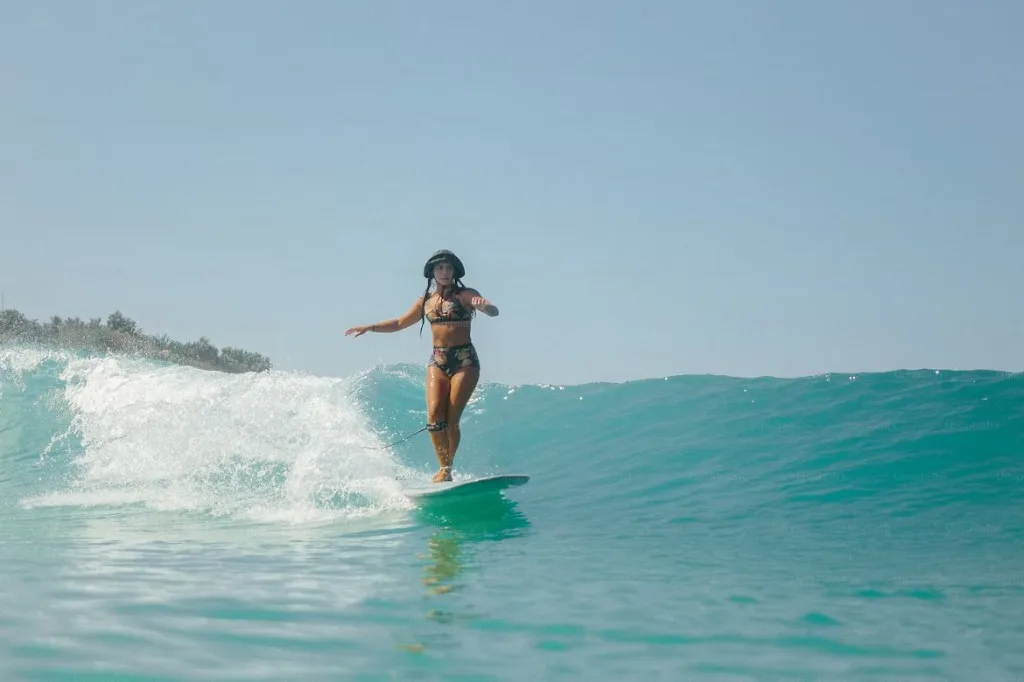
Essaouira travel guide: why every surfer visits Mogador
Morocco's coast stretches for thousands of kilometres, yet Essaouira occupies a unique niche: protected bay surfing for beginners, exposed beaches nearby for improvers, and kitesurfing when the trade winds crank. Unlike purely surf-focused villages, Essaouira is a living city with hospitals, ATMs, boutique riads, and year-round flights via Marrakech or Agadir.
Travellers often arrive asking *things to do in Essaouira* beyond the board. The answer is refreshingly long: artisan workshops, Gnaoua music heritage, horse riding on the beach, quad tours in the dunes, and day trips to the wine region of Val d'Argan. Surf becomes the rhythm of your morning; everything else fills the afternoons and evenings.
Best time to visit for surfing
| Season | Water temp | Surf | Wind / kite | Crowds | |--------|------------|------|-------------|--------| | Apr–Jun | 17–19°C | Good learner swell | Building | Moderate | | Jul–Sep | 18–21°C | Mixed; windy PM | Strong | High | | Oct–Nov | 18–20°C | Excellent all-round | Strong | Moderate | | Dec–Mar | 15–17°C | Bigger swell | Variable | Low |
Essaouira surfing peaks for beginners in spring and autumn when swells are moderate and mornings are calmer. Summer is windiest — plan surf for 08:00–11:00 and kite or rest in the afternoon. Winter rewards experienced riders with power; pack a 4/3 wetsuit.
Getting there and around
Most international visitors fly into Marrakech (RAK) or Agadir (AGA). Official tourism context for Morocco is available at https://www.visitmorocco.com/en — useful for visas and regional planning alongside this Essaouira travel guide. Marrakech offers more flight options; the drive to Essaouira takes roughly two hours and forty minutes through argan country. Agadir is closer — about two hours — with a straighter coastal road.
Where to stay: riads, beach, and budget
Medina riads — Atmospheric courtyards, rooftop breakfasts, five-minute walks to restaurants. Ideal if you value culture and do not mind carrying a board through pedestrian alleys (schools often store gear for students).
Beach road hotels — Closer to morning lessons, less medina charm, easier logistics for families with equipment.
Sidi Kaouki — Quieter village stay twenty-five minutes south; better for improvers chasing more open faces, less convenient for evening medina life.
Book riads early for July, August, and Gnaoua Festival weekends in June.
Food every surfer should try
Surf holidays burn calories. Essaouira feeds you well:
- Grilled sardines at the port — inexpensive, fresh, eaten with bread and harissa.
- Seafood bastilla — sweet-savoury pastry unique to the coast.
- Tagine — lamb, chicken, or fish slow-cooked with preserved lemon and olives.
- Fish chermoula — Atlantic catch marinated in herbs and garlic.
- Mint tea — offered everywhere; accept it as hospitality, not just a drink.
Vegetarians survive easily with vegetable tagines, salads, and couscous Fridays. Filtered water and bottled water are widely available; hydrate aggressively between sessions.
Essential packing list
- Soft-top or travel board (optional — schools provide boards for lessons).
- Reef-safe sunscreen, zinc for nose and lips.
- Wetsuit 3/2 spring–autumn; 4/3 winter.
- Booties rarely needed on sandy Essaouira bay; useful in winter.
- Dry bag for medina electronics.
- Cash dirhams for souks and taxis; cards work in many restaurants.
- European plug adapter (Type C/E).
Seven-day surfer's itinerary for Essaouira
This itinerary assumes average fitness, beginner-to-intermediate surf level, and a desire to balance water time with recovery and sightseeing. Adjust intensity if you are purely on a progression course.
Day 1 — Arrival and medina orientation
Land in Marrakech or Agadir, transfer to Essaouira, check into your riad. Do not surf today — travel and dehydration are poor partners for ocean safety.
Afternoon: Walk the medina ramparts from Bab Marrakech to the Skala du Port cannons. Watch fishing boats and gulls. Stop for tea at a rooftop café overlooking the Atlantic.
Evening: Dinner at the port grill stalls or a medina restaurant. Early sleep — tomorrow starts early.
Day 2 — First surf lesson and harbour sunset
12:00 — Lunch in the medina; try calamar frit or a fish tagine.
15:00 — Rest. Seriously — sun and paddling exhaust newcomers.
18:30 — Stroll Place Moulay Hassan and the blue fishing boats. Photographers love golden hour on the harbour wall.
Day 3 — Second surf session and artisan souks
08:00 — Lesson two: paddling endurance, stance refinement, more wave time.
11:00 — Explore souks — thuya wood workshops, textiles, spices. Bargaining is normal; stay polite and smile.
14:00 — Visit a women's argan cooperative outside town if interested in ethical oil purchases.
Evening: Live music in a small bar or riad terrace — Essaouira's creative scene punches above its size.
Day 4 — Rest day or kitesurf taster
Your shoulders need recovery. Choose your adventure:
- Light option: Hammam, massage, slow medina wandering.
- Windy option: Taster kitesurf session if trades are blowing — many surfers cross-train.
- Culture option: Day trip to Val d'Argan winery (book ahead) or horse ride on the beach.
Dinner: Reserve a riad table for a multi-course Moroccan feast.
Day 5 — Sidi Kaouki or surf trip day
surf trip to Sidi Kaouki or Imsouane
Pack lunch or eat at a beach café. Return before dark for shower and medina dinner.
Day 6 — Free surf or third lesson
Morning — Water time.
Afternoon — Cooking class or photography walk through the Jewish Mellah and Scala Street.
Evening — Buy gifts: argan oil, carpets if luggage allows, local honey.
Day 7 — Final wave and departure
07:30 — Dawn patrol if wind allows — calmest window many weeks.
10:00 — Checkout, final mint tea, transfer to airport.
Things to do in Essaouira beyond surfing
Even on a surf-focused trip, reserve time for:
- Gnaoua World Music Festival (June) — book accommodation months ahead.
- Quad or camel dunes south of town — touristy but fun for groups.
- Windsurfing and kitesurfing spectating — the bay becomes a ballet of kites in summer afternoons.
- Art galleries — Essaouira attracts painters and sculptors; openings are frequent.
- Cooking workshops — learn tagine and bread in a medina kitchen.
Surf logistics: lessons, rentals, and ethics
- Book morning lessons through established schools with ISA-certified instructors.
- Never surf alone in unfamiliar reef or rock spots.
- Respect locals in the lineup; wait your turn, do not drop in.
- Leave beaches cleaner than you found them — plastic drifts in on Atlantic currents.
Sample daily rhythm (template)
| Time | Activity | |------|----------| | 07:00 | Breakfast on riad roof | | 08:00–11:00 | Surf lesson or free surf | | 12:30 | Lunch + hydrate | | 14:00–16:00 | Rest / siesta | | 16:00–18:00 | Culture, trip, or kite | | 19:30 | Dinner + stroll |
Repeat with variation; listen to your body when Atlantic hold-downs remind you who is boss.
Budget guide (2024 estimates, per person)
- Budget: €45–70/day — hostel, group lessons every other day, port food.
- Mid-range: €80–130/day — riad, daily lessons first three days, restaurant mix.
- Comfort: €140+/day — boutique riad, private lessons, trips, wine tours.
Lessons and trips are the largest variable; book packages for better per-hour rates.
Safety and cultural notes
- Swim only at patrolled or instructor-approved zones as a beginner.
- Dress modestly in the medina — shoulders and knees covered show respect.
- Ramadan timings shift restaurant hours; plan accordingly.
- Tipping small amounts for good service is customary.
Medina highlights worth your non-surf hours
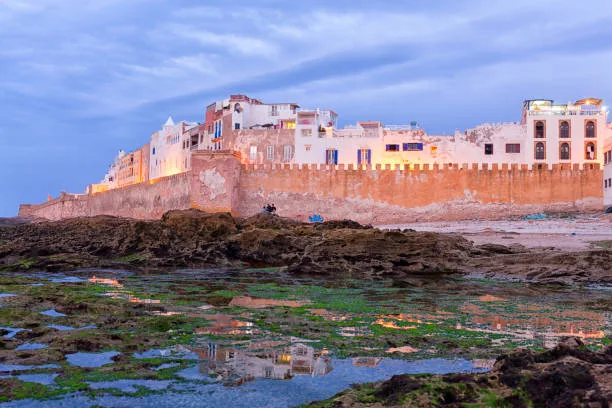
The medina is a UNESCO World Heritage site — a fortified grid of blue-and-white alleys where GPS fails charmingly and every turn reveals craftsmen at work. Prioritise these stops when your legs need a break from paddling:
- Skala de la Ville — Atlantic-facing ramparts with bronze cannons; the wind tunnels through archways here — bring a light jacket even on warm days.
- Skala du Port — The iconic row of stone arches framing fishing boats; best at sunrise before tour groups arrive.
- Bab Marrakech — Main gate and meeting point; cafés nearby serve reliable breakfasts before lessons.
- Thuya wood workshops — Essaouira specialises in burled thuya; watch artisans shape boxes and furniture with scented shavings underfoot.
- Jewish Mellah — Historic quarter with synagogues and quiet lanes; respectful photography only where permitted.
Allow half a day without an agenda. The medina rewards slow wandering more than checklist tourism.
Wind, tide, and reading the bay
Understanding local conditions makes you a better guest in the lineup. Morning sessions typically see lighter wind and cleaner faces for surf lessons. By 14:00, trade winds accelerate and kitesurfers claim the outer bay — surfers move inside or call it a day.
Tide affects sandbar shape near the harbour: mid-tide often suits beginners; extreme low tide exposes rocks in some zones your instructor will avoid. Always defer to school briefings rather than copying strangers who may be overconfident.
If afternoon wind is too strong for surf, treat it as a signal to explore the medina, book a hammam, or plan the next morning's water time — fighting the forecast wastes holiday energy.
Combining Essaouira with other Morocco surf stops
Classic two-centre trips:
Essaouira works best as your foundation — culture, wind awareness, and bay confidence — before chasing heavier Atlantic swell south.
Booking your surfer's week
Pull the itinerary together in one booking block:
Essaouira rewards travellers who surf in the morning and explore in the afternoon. Seven days is enough to stand on your own board, taste the Atlantic on your lips, and understand why riders return year after year. Pack light, respect the ocean, and leave room in your bag for argan oil — you will want it when you are home dreaming of the trade winds.
Keep reading
Related guides from our surf tips and Morocco travel guides