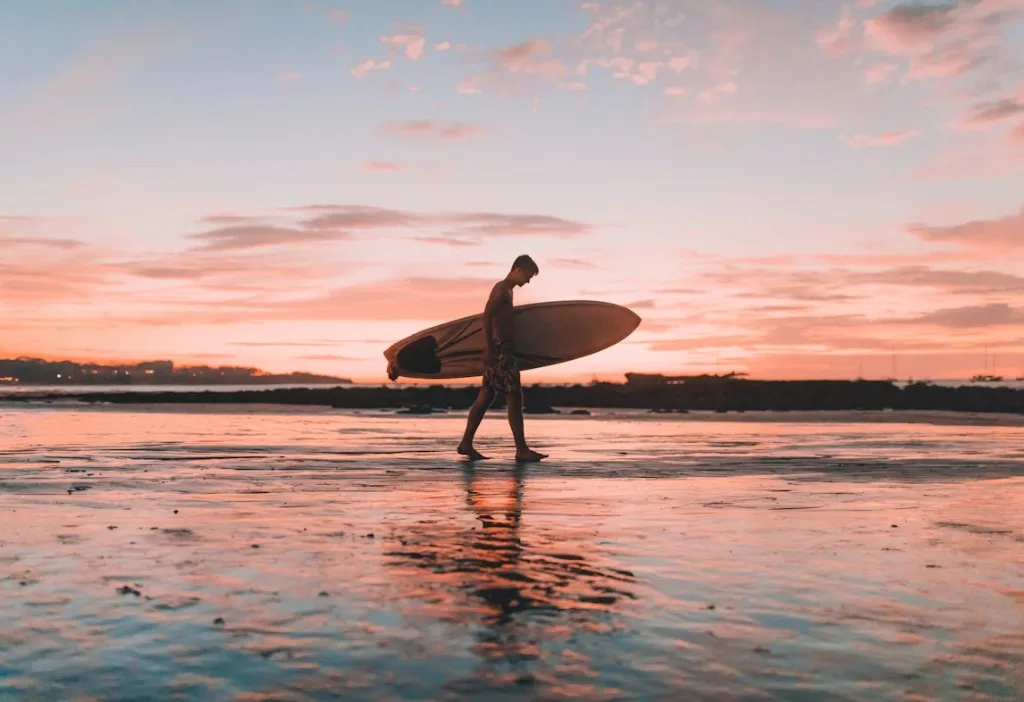
Morocco has become one of the world's most accessible surf destinations for good reason. Consistent swell, a huge variety of breaks, warm hospitality, and a culture that rewards time off the board as much as time on it make surf Morocco trips work for families, solo travellers, and dedicated wave hunters alike. Read on for the spots that define the country, the seasons that shape them, and how to stitch it all into an itinerary you will actually remember.
Why Morocco Belongs on Every Surfer's Map
Morocco sits on the northwest shoulder of Africa, fully exposed to North Atlantic swell. Winter and spring often deliver powerful, groundswell-driven sessions; summer tends toward fun, forgiving peaks—though regional differences matter enormously. Unlike some tropical destinations where you fly thousands of kilometres for one reef, Morocco surf spots cluster along a drivable coastline: you can sample mellow beach breaks, world-class rights, and wind-blown desert points in a single trip if you plan well.
Value, Access, and Culture
Direct flights into Marrakech, Agadir, and Essaouira (seasonal) keep logistics simple. Once on the ground, shared taxis, rental cars, and organised transfers connect towns efficiently. Accommodation ranges from surf-hostel bunks to riads and boutique hotels. Food is excellent and affordable; fresh fish, mint tea, and bakery bread fuel long sessions without breaking the bank.
Moroccans are generally warm toward visitors who show respect—learn a few words of Darija or French, dress modestly away from the beach, and tip fairly. Local surf schools and guides depend on tourism; booking through reputable operators supports communities and keeps lineups safer through instruction and beach awareness.
Morocco Surf Seasons: When the Atlantic Delivers
Understanding swell and wind patterns is the difference between a trip of lifetime memories and a week of frustration. No single month is "best" for everyone—the best surfing in Morocco for you depends on ability, tolerance for size, and whether you share the water with kites.
Winter (December–February)
Winter is swell season on much of the coast. North-west swells light up Taghazout, Imsouane, and many Agadir-area breaks. Water is cooler (wetsuit essential—3/2 or 4/3 depending on sensitivity). Crowds include experienced Europeans escaping their own winter; dawn patrols help. Beginners can still learn in sheltered spots like Essaouira's bay, but offshore days at exposed reefs demand solid paddling and etiquette.
Spring (March–May)
Summer (June–August)
Summer brings smaller, more playful waves to many regions—excellent for beginners and intermediates. Essaouira and Sidi Kaouki buzz with learners and holidaymakers; Taghazout still has punch on bigger pulses. Wind is strongest in Essaouira (world-class for kite and wing). Book accommodation and lessons early in peak weeks.
Autumn (September–November)
Essaouira: Wind, Waves, and UNESCO Soul
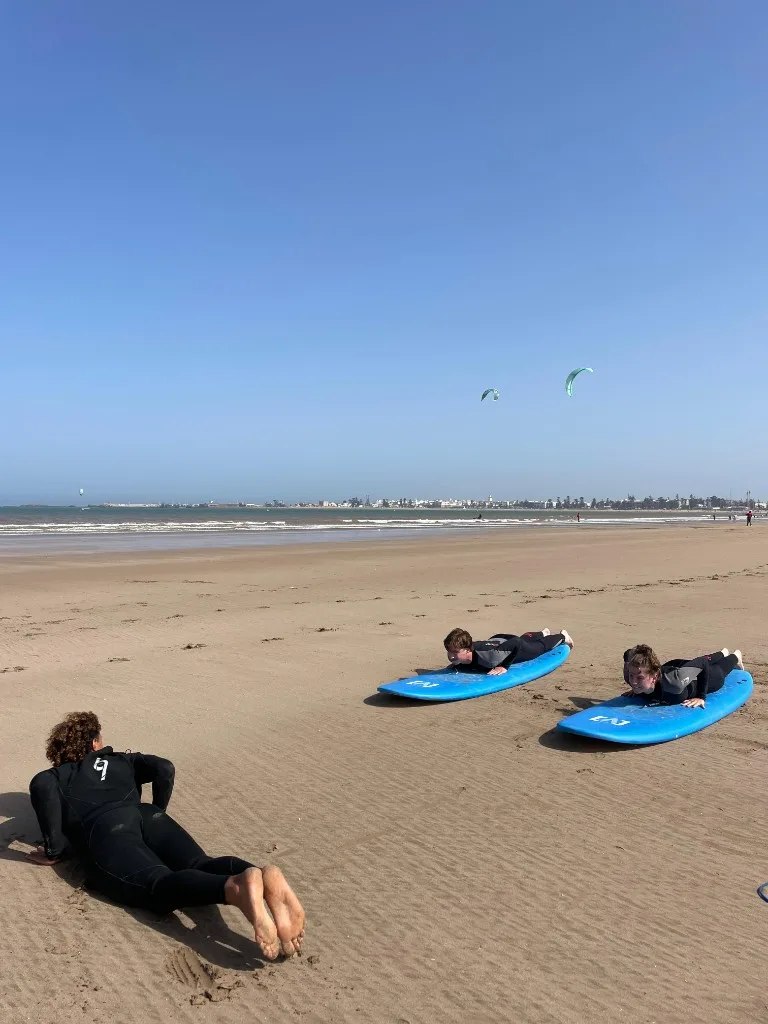
Essaouira is the cultural heartbeat of surf Morocco for travellers who want more than a camp in a cliffside village. The walled medina is UNESCO-listed; artisans work cedar and thuya wood; seafood grills smoke along the port. In the water, Essaouira offers a forgiving bay break suited to beginners and improvers, with more power available nearby when you are ready.
Practical Tips for Essaouira
- surf lessons
- wing foiling
- Explore the medina on rest days; respect local customs and photography etiquette.
- Essaouira guide
Essaouira suits travellers who want authentic Morocco, variable wind sports, and a mellow learning curve—not raw, empty point perfection every day of the week.
Sidi Kaouki: Essaouira's Wilder Neighbour
Twenty-five kilometres south of Essaouira, Sidi Kaouki is a beach village with a different rhythm: fewer tour buses, more open beach, and waves that often pack more punch than the bay. Beach breaks spread along the coast; on solid swell, sections can offer steep take-offs for intermediates while still providing learner-friendly zones on smaller days.
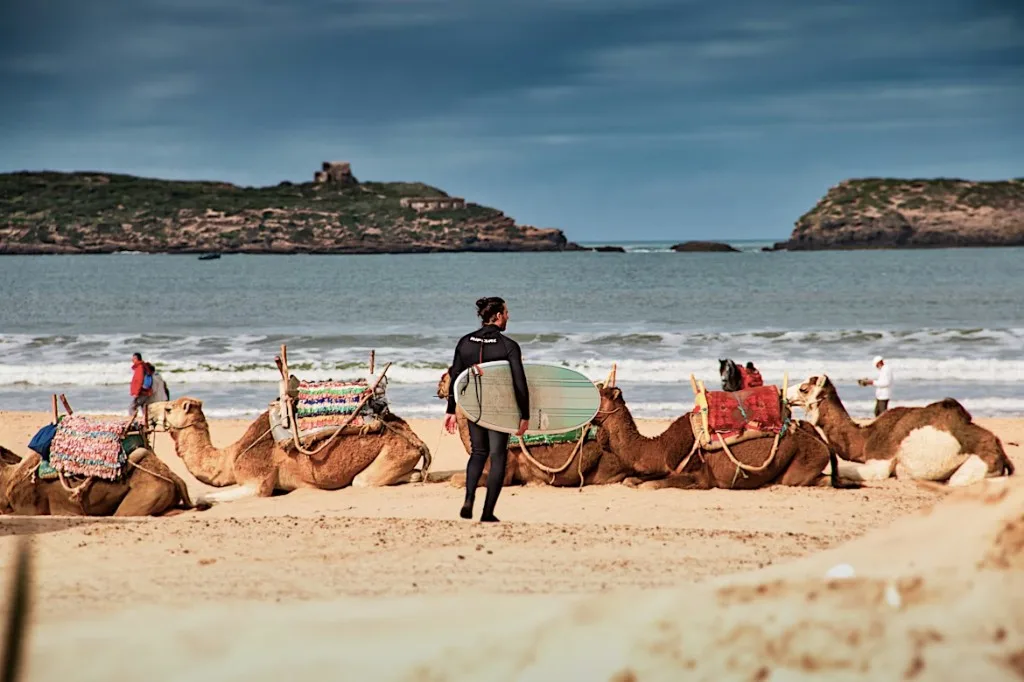
Many Essaouira schools run day trips or second-location sessions here when bay conditions are windy or flat. The drive along the coast is scenic; camels and small cafés dot the sand. Accommodation is simpler than in Essaouira—guesthouses and surf lodges dominate. If you have a car and a few days, splitting time between Essaouira culture and Sidi Kaouki sessions is a strong play.
Who Should Prioritise Sidi Kaouki?
- Surfers comfortable in chest-high waves seeking fewer learner zones in peak season.
- Travellers who prefer village quiet over medina nightlife.
- Anyone basing in Essaouira but wanting easy access to more Atlantic exposure.
Taghazout: Morocco's Surf Village Icon
Taghazout, north of Agadir, is the name most European surfers associate with Morocco surf spots. A cluster of villages—Taghazout, Tamraght, Anza—hosts dozens of camps, cafés, and shops. The famous right-hand points and reef breaks (Anchor Point, Killer Point, Boilers, and others) draw experienced surfers when swell direction and tide align.
This is not primarily a beginner destination, though camps offer whitewater lessons in nearby bays. Etiquette matters on crowded points: locals and long-term residents know tide windows; dropping in on a set wave here ends friendships fast. Winter swells can be serious; know your limits or hire a guide.
Taghazout Highlights
- Concentrated surf infrastructure—rentals, repairs, video analysis.
- Social scene: yoga, rooftop sunsets, easy traveller community.
- Proximity to Agadir airport (roughly 45 minutes).
Imsouane: One of the World's Longest Rights
South of Essaouira, Imsouane has entered global surf consciousness for its bay right—on the right swell and tide, rides can link for hundreds of metres, making it a bucket-list wave for intermediates and longboarders. A second reef break (Cathedral) suits more experienced surfers when conditions cooperate.
The village is small and relaxed; development is lighter than Taghazout. Accommodation fills in peak swell windows; book ahead. Crowds form when word spreads of a firing day—patience and respect in the line-up are essential. Imsouane rewards surfers who read forecasts and can handle long walls without burning every section in three turns.
Planning an Imsouane Leg
- Check swell period and direction—not every Atlantic pulse lights the bay perfectly.
- Bring or rent a board with drive: funboards, fishes, and logs are popular.
- Combine with Essaouira (roughly 90 minutes north) for a varied itinerary.
Agadir: City Comfort and Regional Gateways
Agadir is a modern coastal city rebuilt after the 1960 earthquake—wide boulevards, resorts, and a long sandy beach that is often better for promenades than epic surf. Serious surfers use Agadir as a hub: airport access, supermarkets, and drives north to Taghazout or south to quieter breaks. Some beach-area peaks work on smaller swells for beginners, but Agadir itself rarely competes with Essaouira or Taghazout as a surf Morocco destination in pure wave quality terms.
Dakhla: Desert Lagoon and Southern Swell
Dakhla, in the far south of Morocco-administered Western Sahara territory, is a different planet: desert meets ocean, flamingos in lagoons, and a kite-surf paradise that also serves surfers on ocean-facing points and beach breaks. The drive or flight from the north is long; many visitors fly via Agadir or seasonal connections.
Dakhla suits travellers who want warm air, consistent wind for kite, and adventure logistics. Pure surf-focused trips from Europe often prioritise Essaouira–Taghazout–Imsouane first; Dakhla is the add-on when you have time and budget for a second chapter.
Skill Levels: Matching Spots to Your Ability
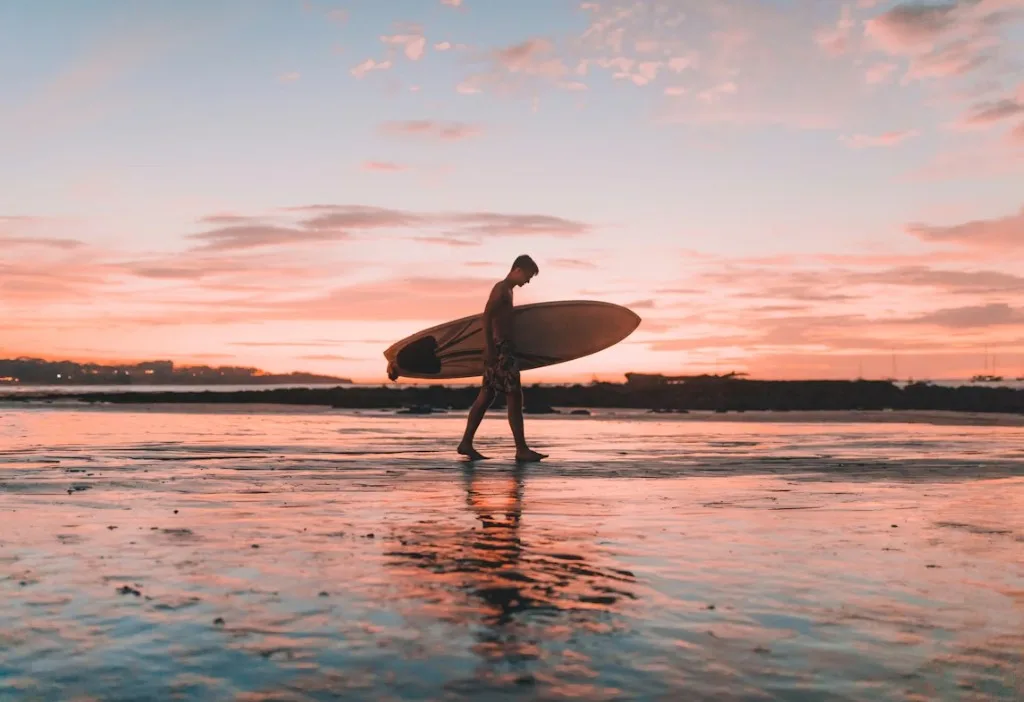
Beginners
Intermediates
You can branch to Sidi Kaouki, Imsouane on moderate swells, and mellower Taghazout reefs with guidance. Work on reading tides, duck-diving or turtle-rolling, and line-up positioning. Autumn and spring offer the best progression windows.
Advanced
Taghazout points, Boilers, heavy reef sections, and big Imsouane or north-coast pulses demand experience, fitness, and local knowledge. Hire guides for first sessions at new spots. Respect fishermen, swimmers, and residential beaches.
Gear, Safety, and Etiquette
Pack or rent a board suited to your level—Moroccan shops stock shortboards, fishes, funboards, and soft-tops. Reef boots help on rocky entries; sunscreen should be reef-safe where possible. Leashes are non-negotiable; currents on Atlantic beaches can be strong.
- Never surf alone in new spots without local advice.
- Learn rip current escape: paddle parallel to shore, then in.
- Take turns, call your wave, and do not snake learners in whitewater.
- Protect dunes and villages from litter—leave beaches cleaner than you found them.
Building Your Morocco Surf Itinerary
A classic two-week arc: fly to Marrakech or Essaouira, spend five to seven days learning and exploring Essaouira and Sidi Kaouki; transfer north to Taghazout or south to Imsouane for five days of point and reef exposure; optional Dakhla extension if wind and waves align with your discipline. Shorter trips should stay regional—trying to see everything in five days creates exhausting transfers.
Sample Packing List
- Wetsuit (season-dependent) or rash vest and board shorts in summer
- Sun hat, zinc sunscreen, water bottle
- Basic first-aid, ear plugs if sensitive
- Cash dirhams for taxis and small shops; card works in larger towns
Food, Rest, and Recovery
Surf Morocco properly and you will be hungry. Tagines, couscous, grilled sardines, and fresh orange juice restore glycogen better than any supplement. Sleep matters: dawn sessions punish late medina nights. Stretch hips and shoulders; Atlantic paddling volume adds up fast.
Responsible Surf Tourism
Coastal towns are growing. Choose operators who employ locals, minimise plastic, and teach beach respect. Support fishermen and residents who share access; some spots are culturally sensitive—ask before you film or drone. Your behaviour in the line-up shapes how future visitors are received.
Conclusion: Your Atlantic Chapter Starts Here
Surf Morocco is not one break—it is a coastline of moods: Essaouira's bay and wind sports, Sidi Kaouki's open beach, Taghazout's legendary points, Imsouane's endless right, Agadir's gateways, and Dakhla's desert edge. Match season to skill, book quality instruction when you are learning, and leave room for culture between swells.
Keep reading
Related guides from our read our latest articles