
“Surf season” in Essaouira is less about a locked window and more about matching your level to Atlantic energy, trade-wind rhythms, and how you schedule the day. The bay can be small and forgiving for beginners in summer, punchier in autumn, and occasionally powerful in winter—while afternoons year-round remind you why Essaouira is nicknamed Morocco’s wind capital.
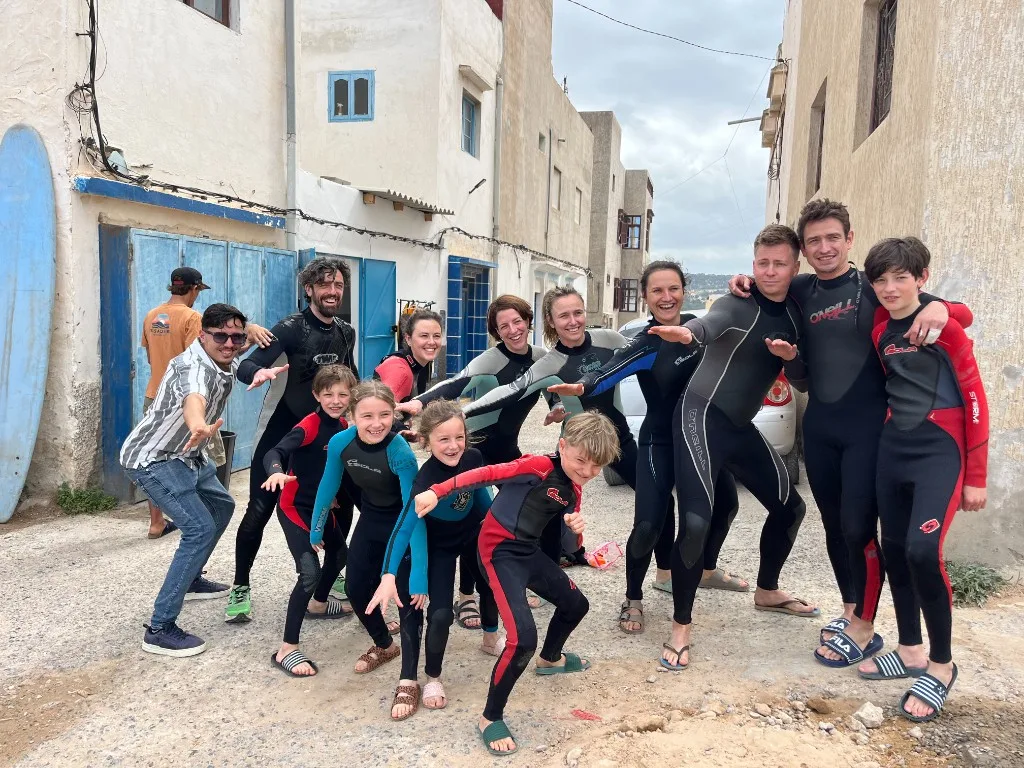

How Essaouira “seasons” really work
Three forces shape Essaouira’s surf calendar more than any single calendar month:
1) Atlantic swell. Longer-period energy often appears in autumn and winter, while mid-summer can trend smaller and mellower—great for early stand-ups but less exciting for surfers chasing open-face practice.
2) Local wind. North-westerly flow is part of the city’s DNA. It can clean faces in certain directions and chop others. The practical rule for visitors: prioritise morning surf when the bay is glassier, then enjoy medina walks, café time, or switch gear to wind sports later in the day.
3) Sandbanks and tides. Essaouira’s beach breaks shift. What was a soft reform on Tuesday can narrow on Wednesday. That’s why reputable schools emphasize daily spot choice—not a glossy “secret map” that never changes.
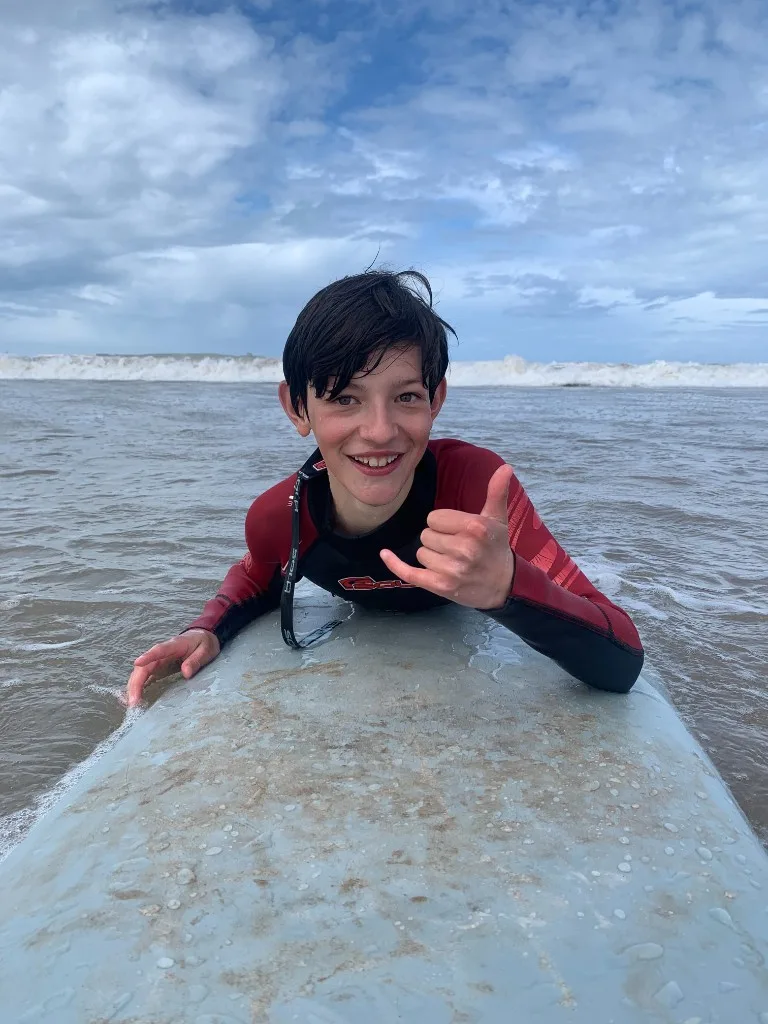
Month-by-month Essaouira surf season: swell, wind, water, crowds
These are traveller-useful tendencies, not guarantees. Always let a qualified instructor make the final call; global bodies like the International Surfing Association emphasize coaching and safety fundamentals for good reason—see https://isa.surf/ for instructor standards context.
January–February: winter energy, cooler water, variable faces
Winter can deliver the most memorable sessions for intermediates—and the steepest learning curve for raw beginners if a strong swell aligns with acute sandbars. Expect cooler water; a good wetsuit policy matters. Crowds are usually lighter than peak summer tourism, though holiday weeks can spike.
Trip tip: shorter, high-quality morning blocks beat “maximising minutes” in junky chop.
March–May: spring’s progression sweet spot
For many travellers, spring hits a balance: warming air, increasingly comfortable water, and a mix of playful to moderate swell. Wind still appears, but dawn patrol culture is strong for a reason—you’ll align with the cleanest windows.
Beginner lens: brilliant season to stack 3–5 sessions and feel real improvement.
June–August: forgiving training grounds, busiest town energy
Summer often brings smaller surf—ideal for first timers working on pop-ups, paddling posture, and reading whitewater. The trade-off is popularity: Essaouira’s cultural calendar, festivals, and family travel peak, so guides and rentals fill faster.
September–November: favourite window for many regulars
Early autumn through mid-autumn commonly blends warmer water remnants with improving consistency—excellent for improvers transitioning from whitewater to gentle green waves. It can still get punchy on bigger days; respect the jump in energy versus mid-summer.
Level up: ask coaches for deliberate feedback loops (video looks, repeatable drills) on these medium-energy days—progress sticks faster when conditions have “enough push” but not chaos.
December: festive lights, serious ocean moods
December can resemble winter’s playbook: rewarding for prepared intermediates, occasionally challenging for brand-new surfers if a powerful swell runs the bay. Schools should scale equipment, ratios, and venue (bay vs trips) accordingly.
Best months by level (beginner / improver / confident)
Beginners (first 1–5 sessions)
Bias toward late spring through summer if you prioritise mellow energy and predictable scheduling. That said, a good school can teach safe fundamentals in winter—you’ll just spend more time on smart spot choice, conservative goals, and smaller surf niches.
beginner surf lessons walkthrough
Improvers (linking whitewater rides to angled takeoffs)
Spring and autumn often provide the repetition-friendly walls that help you practise speed generation, trimming, and simple bottom turns—without requiring travel to heavy reef setups.
Confident surfers on a Moroccan road bash
How to hedge if your travel dates are fixed
Not everyone can chase an ideal month. If your flights are locked:
- Book morning lessons as your default anchor; swap intensity (longer vs shorter blocks) based on live wind.
- Pre-approve a radius: bay sessions first, Sidi Kaouki or other beaches when the forecast rewards a short drive.
- kitesurfing
- private vs group surf lessons
Surf trips vs daily lessons—what stacks progress
Daily bay lessons build fundamentals fast when conditions cooperate. Multi-day surf trips shine when you want coaches to sequence spots across a week, align rest days, and remove the mental load of “where tomorrow?”
If you’re visiting specifically to improve—not just tick a box—consider mixing: two focused lesson days, one trip day, one rest/mobility day, repeat. That pattern reduces injury risk and jet lag drag.
FAQ
Is there an official Essaouira surf season?
What is the best month for beginners?
When is Essaouira the windiest for surf?
Do I need a wetsuit?
Is Sidi Kaouki better in certain months?
Keep reading
Related guides from our read our latest articles