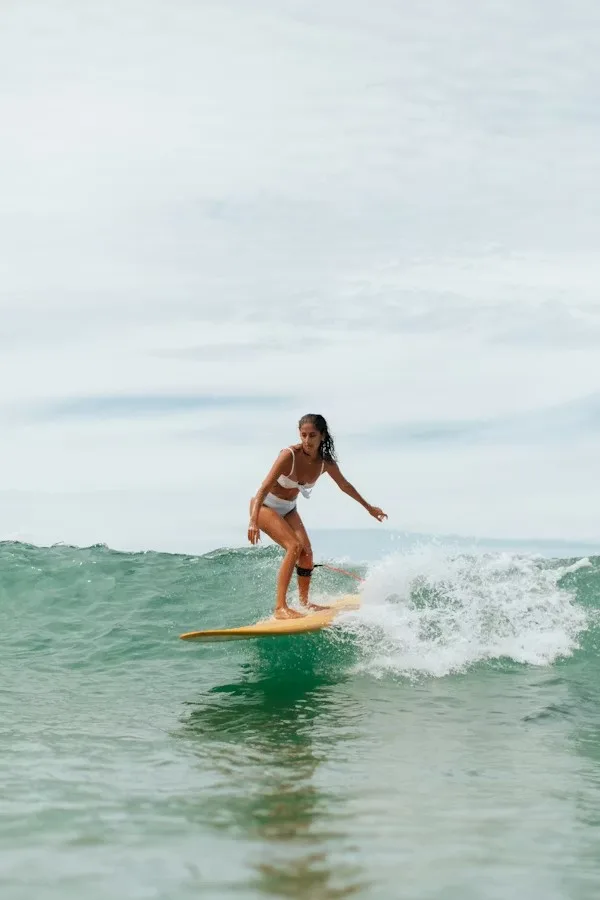
Essaouira is one of the best places in Morocco to learn to surf without turning your trip into a stressful “forecast lottery.” The city’s wide bay offers forgiving sandbank peaks, and when conditions shift, you can still reach nearby beaches (like Sidi Kaouki) quickly. Add a UNESCO medina, great food, and reliable wind sports, and you get a surf destination that works for couples, families, and solo travellers.
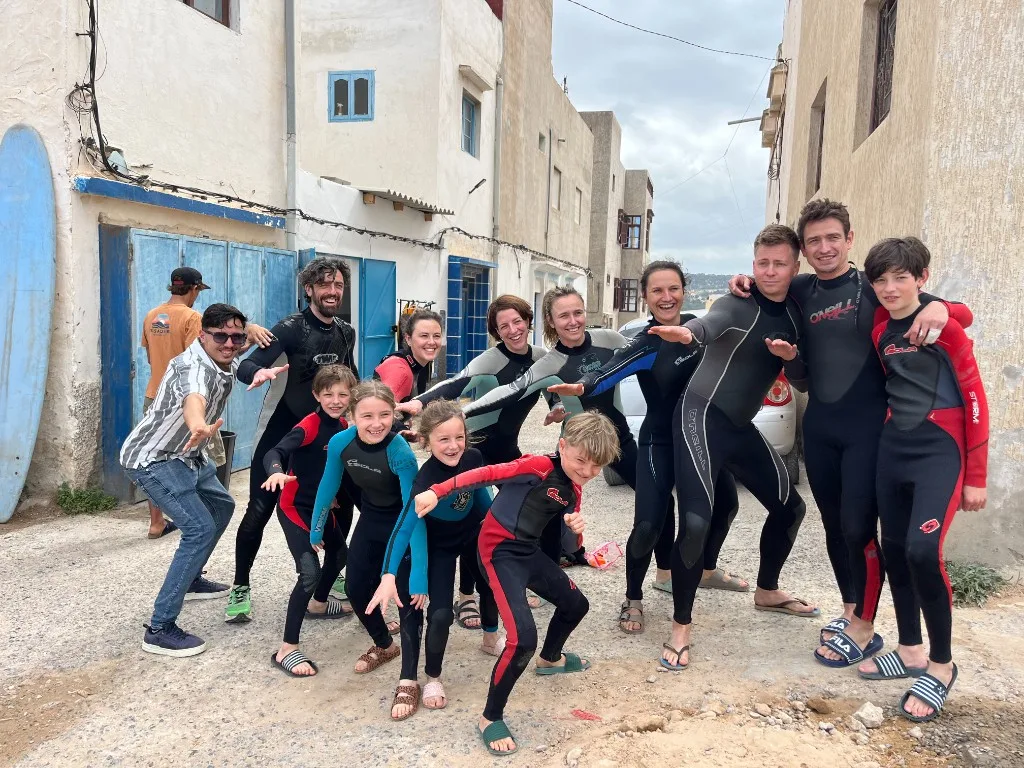
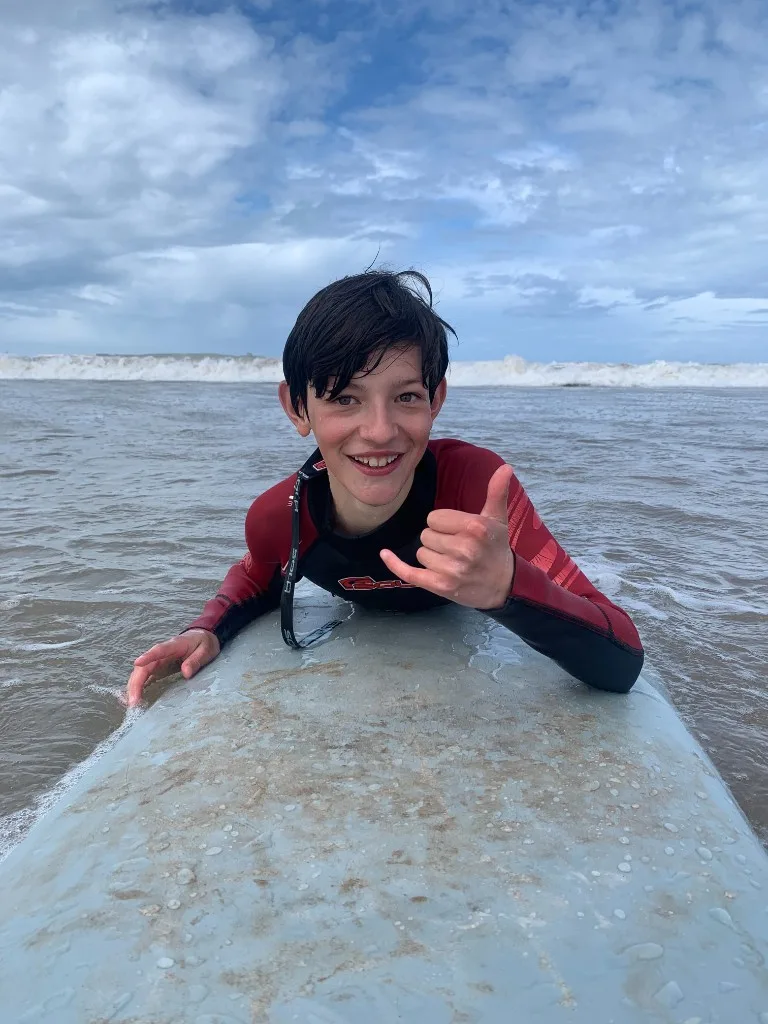
Why Essaouira is ideal for surf lessons
Most beginners don’t need a “perfect” wave. They need three things:
1) safe water with predictable sand bottoms 2) coaching that builds skills in the right order 3) enough repetitions to build muscle memory
Essaouira’s main bay delivers that combination more often than many Moroccan reef-heavy regions. The wave quality can be playful rather than “Instagram perfect,” but for learning, that’s a feature—not a bug.
A forgiving bay with options nearby
- Essaouira bay: great classroom for first stand-ups and confidence-building.
- Sidi Kaouki (day-trip): more open Atlantic energy when you’re progressing or when the bay is too windy.
- surf trip
The best “hybrid” surf destination in Morocco
Best time to book: season-by-season
Here’s the honest guide: there isn’t one “best month” for everyone. It depends on your level and what you want from your trip (progression vs comfort vs fewer crowds).
Spring (March–May): the progression sweet spot
Spring gives a balance of swell consistency and comfortable weather. It’s a strong window for 3–7 day lesson plans. Mornings are often cleaner; afternoons can get windy.
Summer (June–August): fun, forgiving waves + peak travel vibe
Summer waves are typically smaller and more user-friendly, which is perfect for beginners. It’s also the busiest period—book lessons early if you want prime morning slots.
Autumn (September–November): warm water + returning swell
Autumn is a favourite for many travellers: fewer crowds, pleasant temperatures, and more consistent swell than mid-summer. Great for intermediate progression.
Winter (December–February): bigger potential, more variability
Winter brings stronger swell energy and cooler water. Beginners can still learn on sheltered days, but a good school will adjust locations and lesson formats (more safety briefing, better board choices, and sometimes fewer water minutes if conditions are challenging).
What a surf lesson looks like (step-by-step)
A good lesson is not “paddling until you’re exhausted.” It’s a structured sequence: safety, technique, repetition, feedback, and progression.
1) Safety briefing and beach basics
You should cover:
- currents and exit points
- priorities (etiquette) and safe spacing
- board handling, leash, and wipeout safety
- the plan for the session (where you’ll surf and why)
Authoritative basics: the International Surfing Association publishes safety and coaching standards (see https://isa.surf/).
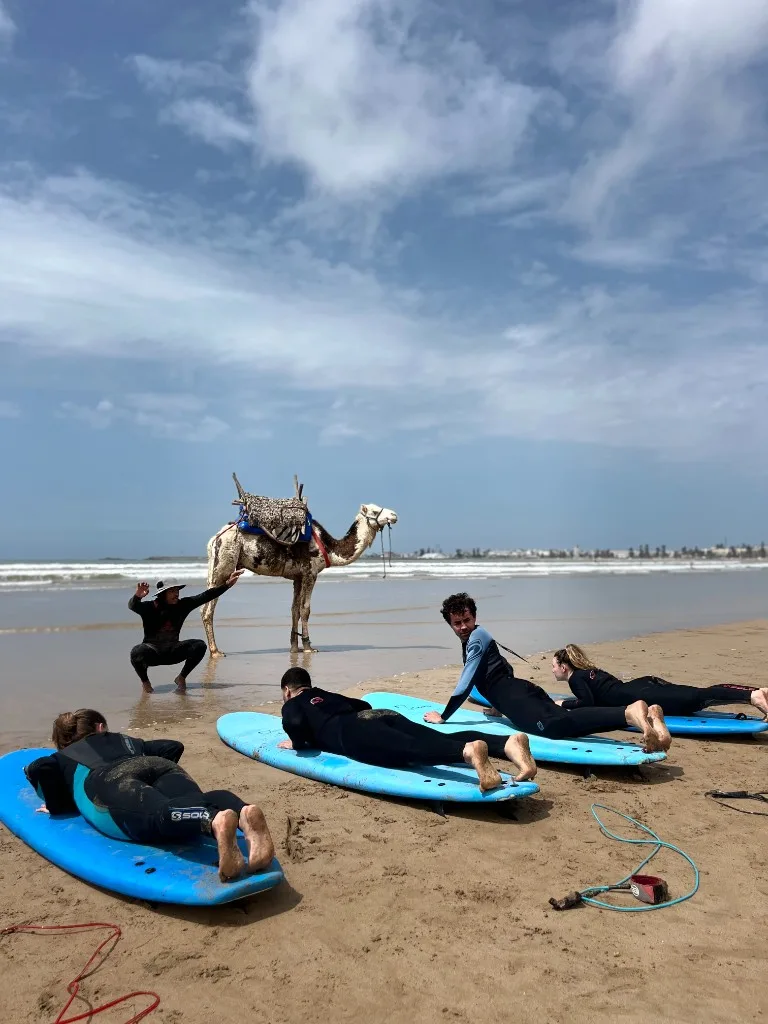
2) Warm-up + pop-up mechanics
Beginners often fail not because they’re “unathletic,” but because they repeat a pop-up pattern that doesn’t match their body. A coach should give quick, individual corrections (hands placement, hips, eyes).
3) Whitewater reps (your fastest learning zone)
Whitewater teaches:
- timing
- stance stability
- trim and direction changes
- breath control in small turbulence
It’s also where you get the most wave count per hour.
4) Feedback loops
The key difference between “I tried surfing” and “I learned surfing” is feedback. Good coaches correct one thing at a time:
- eyes/chest up
- weight distribution
- back foot placement
- paddle timing and speed
5) Green waves (when you’re ready)
Green waves are not a milestone you “must” reach in your first two lessons. The goal is progression without injury or fear. When you’re stable in whitewater, the coach introduces positioning and takeoff timing on gentle green waves.
How to choose the right surf school
If you only remember one thing: group size and coaching structure beat marketing.
Checklist (fast)
- Instructor credentials (ISA training or equivalent)
- small ratios (ideally ≤ 1:4 for real coaching time)
- equipment quality (wetsuits that fit, soft tops for beginners, correct board volumes)
- spot selection (school moves you when the bay doesn’t work)
- clear progression plan (what you’ll focus on each day)
Pricing & budget: what surf lessons cost
Costs in Essaouira are usually lower than many European surf towns, but prices vary by:
- group vs private
- lesson duration (1h vs 2h)
- transport (bay-only vs trips to Kaouki)
- included extras (photos, video feedback)
private vs group surf lessons pricing
Progression plan: how many lessons you need
Here’s what’s realistic for most healthy adults:
- 1 lesson: stand up in whitewater (sometimes), understand basics.
- 3 lessons: repeat whitewater rides consistently + basic steering.
- 5 lessons: better timing, fewer wipeouts, first gentle green waves for some.
- 7–10 lessons: real “surfing” begins—positioning, wave reading, and confidence.
what to expect in beginner surf lessons
FAQ
How long is a surf lesson in Essaouira?
Do I need to know how to swim?
What should I bring?
Can kids learn in Essaouira?
What if it’s too windy?
Keep reading
Related guides from our read our latest articles