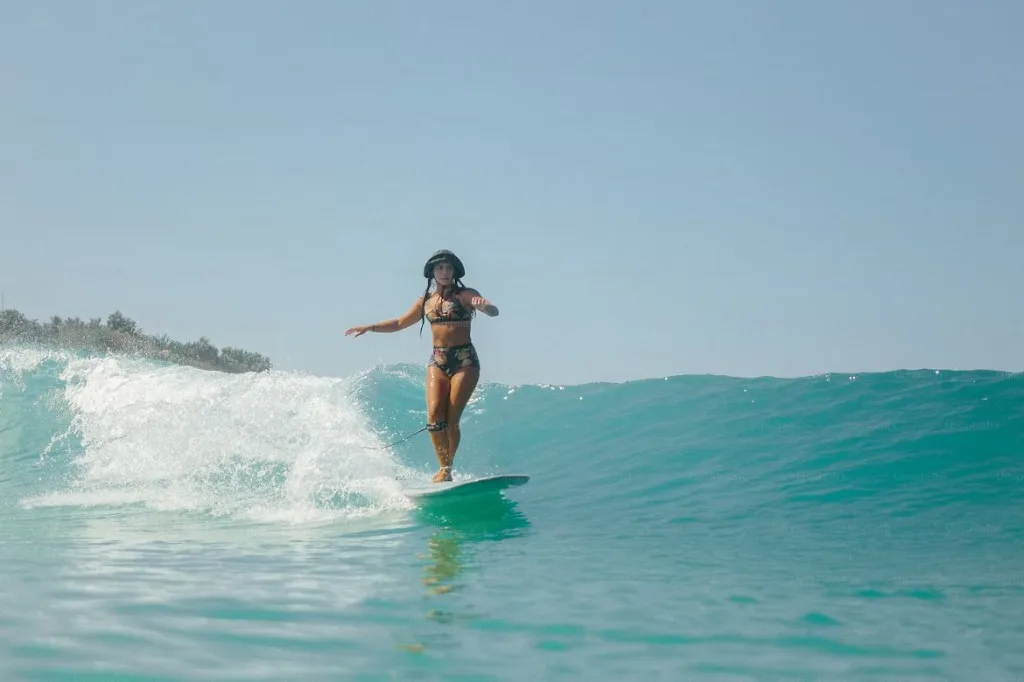
Standing on a surfboard for the first time is one of those moments that stays with you forever. The feeling of glide, the rush of the ocean beneath your feet, the salt on your skin — it's addictive. And if you're thinking about learning to surf in Essaouira, you've picked one of the most beginner-friendly places on the entire Atlantic coast.
I've been teaching people to surf in Essaouira for over eight years now. I've seen hundreds of first-timers go from terrified of the ocean to confidently paddling out on their own. Some cried on day one. Most laughed. Almost all came back for more. This guide is everything I wish someone had told me before my first lesson — written not by a marketing team in an office, but by someone who spends every morning checking the waves at Tagharte beach.
Why Essaouira is perfect for beginner surfers
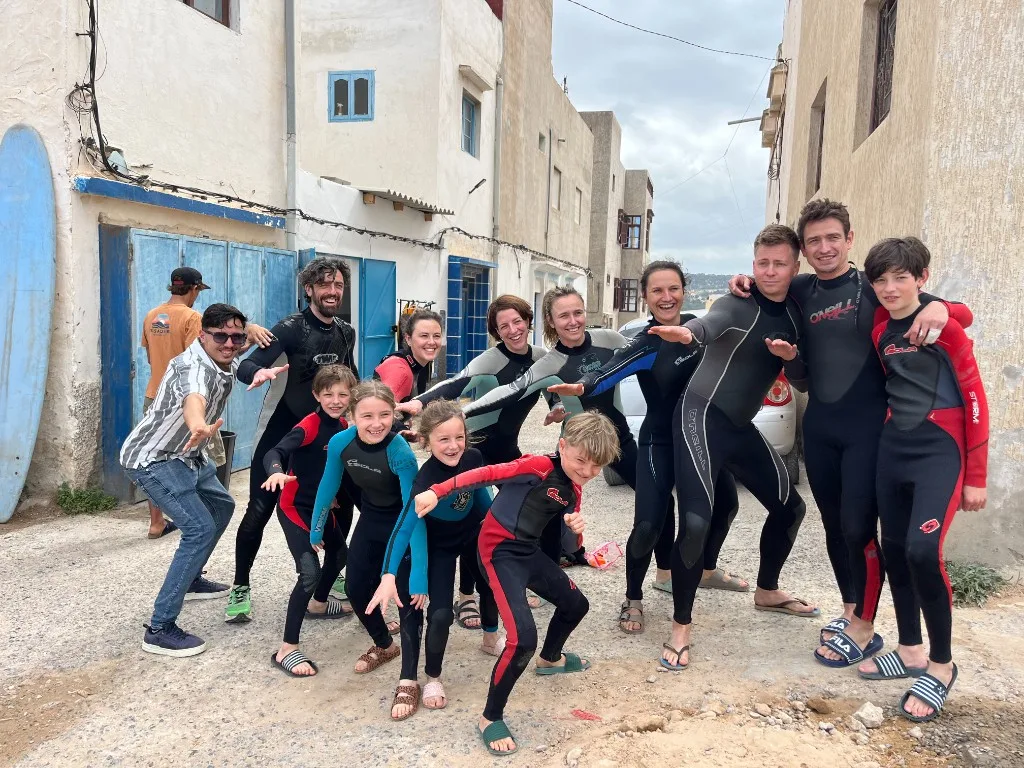
Let's address the elephant in the room first. Yes, Essaouira is famous for wind. People call it the "Wind City of Africa" for good reason. But here's what most travel blogs don't tell you: that wind actually makes Essaouira one of the best places to learn to surf in Morocco.
The consistent side-shore wind grooms the waves, keeping the surface clean and organized. For beginners, messy, chaotic waves are the enemy. You want predictable, rolling whitewater that gives you time to pop up. That's exactly what Essaouira Bay delivers most mornings. The Mogador Islands offshore act like a natural breakwater, filtering out the raw Atlantic swell and delivering gentler, more manageable waves to the main beach.
The bottom is almost entirely sand. No hidden reefs to worry about. No sharp rocks waiting to catch your fin. Just a long, crescent-shaped beach break that gives you plenty of room to fall, get back up, and try again. When you take your first surf lesson in Essaouira, you're learning in one of the safest environments Morocco has to offer.
What to expect from your first surf lesson in Essaouira
Most people arrive at the beach with a mixture of excitement and pure terror. That's completely normal. The ocean is big, and you've probably watched enough surf movies to imagine getting pounded by massive waves. Let me reassure you: beginner surf lessons in Essaouira don't happen in massive waves.
A typical first lesson starts on the sand. Your instructor will lay out the board, explain the parts, and demonstrate the "pop-up" — the movement from lying to standing. It looks easy on dry land. It feels completely different in the water. That's why we spend 15–20 minutes drilling it on the beach until it becomes muscle memory.
Then comes the ocean entry. The water temperature in Essaouira ranges from about 16°C in winter to 22°C in summer. We provide wetsuits, so you'll be comfortable year-round. Your instructor will start you in the whitewater — the broken waves near shore. These waves have already done their crashing and are just rolling toward the beach with gentle power.
The goal of lesson one isn't to ride a perfect green wave. It's to stand up, even for one second, and feel that magical glide. About 70% of our students achieve this in their first two-hour session. The other 30% usually get it by lesson two. There's no rush. No pressure. Just you, the board, and an instructor who remembers exactly how awkward their first pop-up felt.
what to expect in beginner surf lessons
Choosing the right surf school in Essaouira
Not all surf schools are created equal, and this is where a lot of beginners make mistakes that cost them money and confidence. When you're researching where to learn to surf in Essaouira, look beyond the Instagram photos and fancy websites.
First, check instructor certifications. Look for ISA (International Surfing Association) or equivalent qualifications. Morocco doesn't legally require surf instructors to be certified, which means anyone with a board and confidence can call themselves a school. A certified instructor understands ocean safety, teaching progression, and first aid.
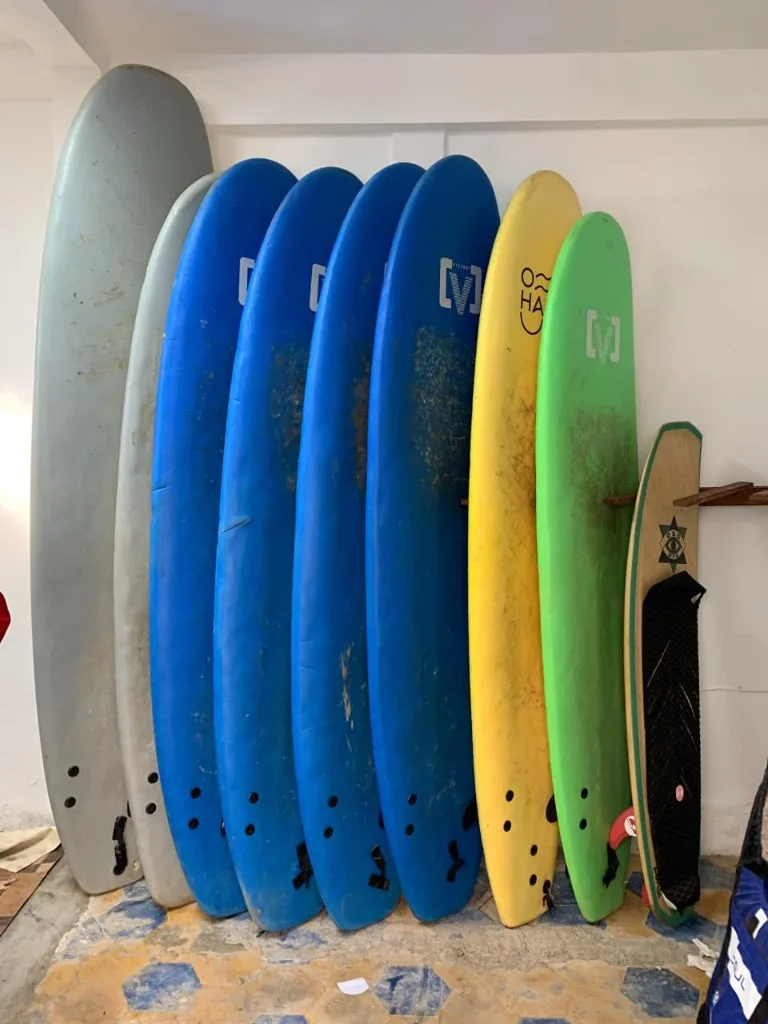
Third, look at equipment quality. Beginners need big, stable foam boards — often called "foamies" — that are forgiving when you fall. They should be relatively new, not waterlogged and yellowing. The wetsuits should fit properly and be appropriate for the season. At our school, we replace our beginner fleet every two seasons because waterlogged boards don't float beginners properly, and that's dangerous.
Finally, read reviews that mention safety. Anyone can teach someone to stand up on a board. The real skill is knowing when conditions are too big, reading rip currents, and keeping students calm when they panic. Search for reviews that mention "safe," "patient," "professional," and "ocean knowledge" rather than just "fun" and "cool."
The best time to learn surfing in Essaouira
One of the beautiful things about Essaouira is that you can learn to surf here year-round. But each season offers a slightly different experience.
Summer (June to August): The waves are smaller, gentler, and more consistent for beginners. Morning sessions are glassy before the wind picks up around midday. Water temperatures are warmest, so you might get away with a short-sleeve wetsuit or even boardshorts on hot days. This is peak tourist season, so the beach gets busier, but the waves are at their most forgiving.
Autumn (September to November): My personal favourite for beginners. The summer crowds have left, the water is still warm from months of heating, and the first proper Atlantic swells start arriving. You get a mix of small beginner waves and slightly bigger days that let you progress faster. The wind is still consistent but less intense than summer.
Winter (December to February): Bigger waves and cooler water, but often the most consistent surf conditions. Winter swells bring more power, which means faster progression for students who are ready. You'll need a thicker wetsuit (3/2 or 4/3), but the lineup is empty and the waves are clean. We often run winter beginner blocks for people who want to immerse themselves completely.
Spring (March to May): Unpredictable but rewarding. Some days are flat, others are perfect. The wind starts building toward summer, but you get those magical glassy mornings that make every early wake-up worth it.
What to bring to your first surf lesson
The good news is that a proper surf school in Essaouira should provide almost everything you need. We supply the board, the wetsuit, and the leash. But there are a few personal items that will make your experience much better.
Swimsuit to wear under the wetsuit. For men, boardshorts or briefs work fine. For women, a one-piece or bikini that won't shift around when you're paddling — adjusting your swimsuit on a board is nearly impossible.
Sunscreen is non-negotiable. The Moroccan sun is intense, and water reflects UV like a mirror. Use reef-safe zinc on your nose and cheeks. Regular sunscreen washes off quickly in the Atlantic.
A towel and dry change of clothes for after the session. Most beach schools don't have full resort facilities — a large towel makes the post-surf experience much more pleasant.
Water and a light snack. Two hours in the ocean burns serious calories. Bring a bottle of water and something with quick carbs — dates, bananas, or a granola bar.
How many lessons do you need?
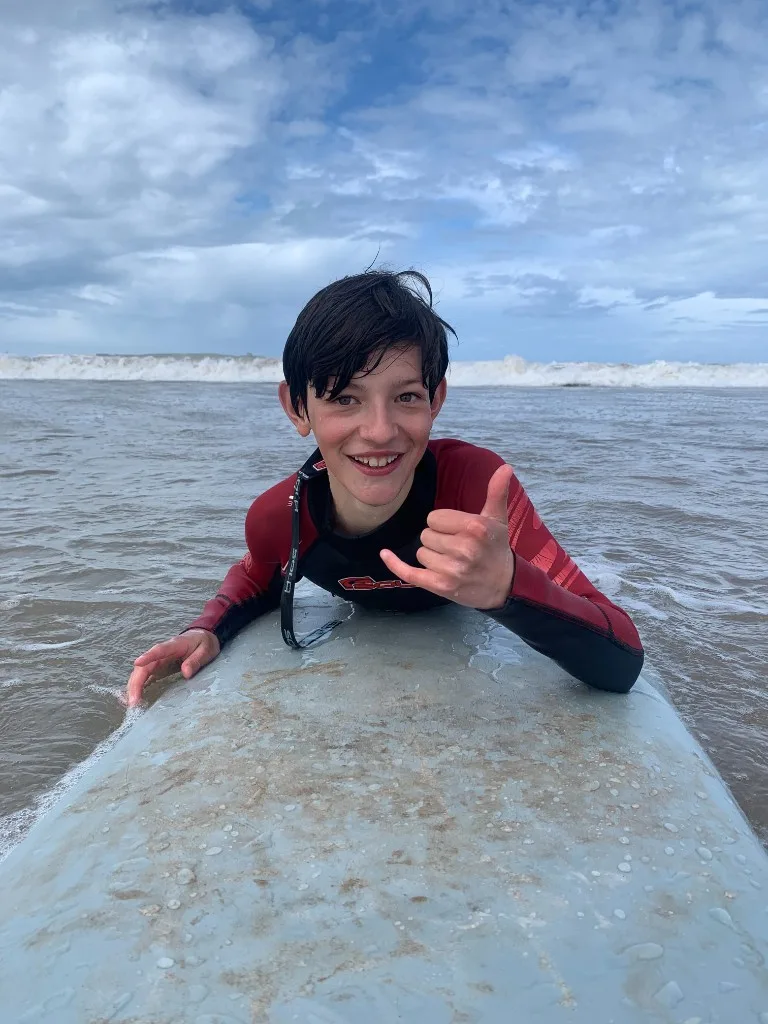
Honest answer: most holidaymakers who want to surf independently in small waves plan 3–5 two-hour lessons spread across a week. One lesson gives you a taste; three build repetition; five starts linking whitewater rides without constant hand-holding.
If you only have a weekend, book two mornings back-to-back rather than one marathon session — muscles and confidence recover overnight.
Ready to learn to surf in Essaouira?
FAQ
Is Essaouira good for complete beginners?
Will I stand up on my first lesson?
Do I need to know how to swim?
How much do beginner surf lessons cost?
Can I learn to surf in Essaouira in winter?
Keep reading
Related guides from our Essaouira surf blog