You'd be amazed how many people show up for their first surf lesson in Essaouira wearing cotton t-shirts, baggy boardshorts from 2008, or — in one memorable case — a full tracksuit because they "didn't want to get sunburned." Surfing has a dress code, but it's not about fashion. It's about function, comfort, and not freezing your way through what should be the best morning of your holiday.
After outfitting thousands of first-timers at our Essaouira surf school, here's the practical, no-nonsense guide on what to wear for your first surf lesson — and what to leave in your hotel room.
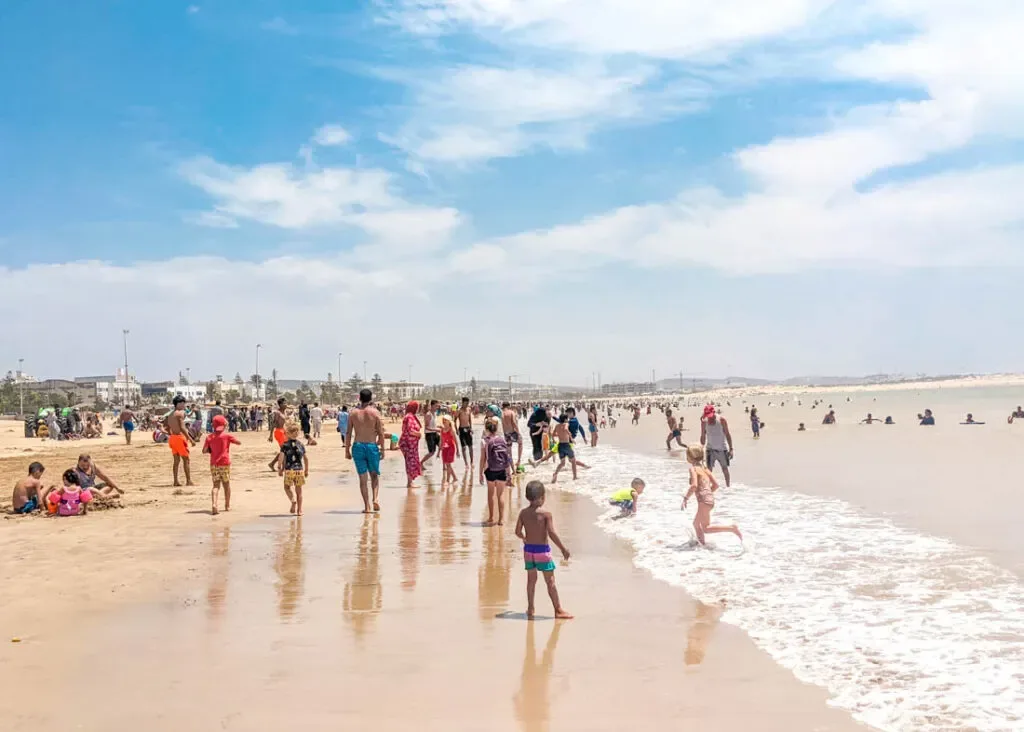
The wetsuit question: do you need one?
Short answer: Yes, almost always. Even in summer.
Essaouira's water temperatures range from roughly 16°C in January to 22°C in August. That might sound warm if you're from Northern Europe, but remember — you'll be in the water for two hours, mostly lying still on a board waiting for waves. Your body loses heat fast when you're not moving.
Winter (December to February): Full 4/3mm wetsuit. Essential. Morning air can be crisp, and wind chill after you exit the water is real. We provide these as standard at our school.
Spring/Autumn (March–May, September–November): 3/2mm full wetsuit or a spring suit with long arms. Some hardy Europeans go without in late May, but most people regret it by the end of the session.
Summer (June to August): 2mm short-sleeve spring suit or a long-sleeve rash guard with boardshorts on very warm days. I still recommend a light spring suit for morning sessions — the Atlantic is never bathwater.
A proper surf school in Essaouira should include wetsuit rental in the lesson price. If they don't, that's a red flag. The wetsuit should fit snugly — baggy suits fill with water and make you cold; too-tight suits restrict breathing and paddling. Don't be shy about asking for a different size.
What to wear under the wetsuit
This is the question everyone asks but nobody wants to ask first.
For men: Boardshorts or swim briefs. Regular underwear bunches, chafes, and looks ridiculous when you peel off the wetsuit at the beach. Compression shorts work fine — just make sure they're comfortable when wet and won't shift during the pop-up.
For women: A one-piece swimsuit is ideal. Bikinis work too, but make sure the top is secure. Salt water, movement, and wetsuit friction are unforgiving — a sports-style racerback top stays put better than tie-string styles.
Some women wear athletic shorts over their swimsuit for extra coverage. That's fine, but use quick-dry fabric. Cotton shorts under a wetsuit become heavy, cold, and uncomfortable within minutes.
The golden rule: Whatever you wear under the wetsuit should be something you don't mind getting wet, salty, and slightly sandy. Don't wear your best designer swimwear.
Footwear: barefoot is best
Beginners should surf barefoot. Surfing requires feeling the board under your feet — the wax texture, the rail edges, the subtle shifts in balance. Water shoes or booties create a barrier that makes balancing harder.
The exception is reef breaks or rocky entry points. In Essaouira, beginner lessons happen on sandy beaches, so barefoot is standard. Thin neoprene socks are optional for sensitive feet on sand — not necessary for bay lessons.
Do bring sandals or flip-flops for the walk across the beach. Moroccan sand gets hot in summer, and the walk from parking to the water can be uncomfortable barefoot.
Rash guards: your sun protection layer
Even under a wetsuit, a rash guard serves multiple purposes. It prevents wetsuit rash on your neck and armpits. It provides UV protection when the wetsuit comes off during breaks. And it makes changing in public slightly less awkward.
We recommend long-sleeve rash guards for everyone. Moroccan sun is intense, and water reflection amplifies UV exposure. A rash guard with UPF 50+ protection is worth more than any sunscreen for your torso.
If you're surfing without a wetsuit in peak summer, the rash guard becomes your primary protection. Pair it with boardshorts or bikini bottoms, and apply zinc to face, neck, and any exposed skin.
Head and face protection
Hair: Long hair should be tied back securely. Salt water, wind, and board wax create a tangled nightmare if your hair is loose. Braids work best. Bring a spare hair tie — the ocean claims them regularly.
Eyes: Contact lens wearers, bring daily disposables. Salt water and contacts don't mix. If you wear glasses, consider prescription goggles or accept surfing without sharp vision — regular glasses will fall off.
Face: Zinc oxide is mandatory. Regular sunscreen washes off within minutes of surfing. Zinc stays put, protects against reflection burn, and makes you look like a proper surfer. Apply it thickly on nose, cheeks, forehead, and lips. Yes, you'll look silly. You'll look sillier with a blistered red nose.
What NOT to wear
- Cotton t-shirts — heavy, cold, and restrictive when wet; they chafe during paddling. Use a proper rash guard instead.
- Jewelry — rings, necklaces, bracelets, and watches scratch boards, snag leashes, and get lost in the ocean.
- Valuable sunglasses — they will fall off and sink. Bring cheap backups for the beach only.
- Baggy boardshorts with heavy pockets — water fills pockets, creates drag, and pulls shorts down. Use lightweight, quick-dry surf shorts.
Seasonal packing checklist
Winter surfing in Essaouira: - 4/3mm wetsuit (provided by school) - Thermal rash guard if you run cold - Wool beanie for post-surf (wind chill is real) - Warm change of clothes waiting in the car
Summer surfing in Essaouira: - 2mm spring suit or long-sleeve rash guard - Boardshorts or secure swimsuit - Plenty of zinc and lip balm with SPF - Light cover-up for beach time between sessions
All year: - Waterproof phone case (for post-surf photos) - Dry bag for wet gear - Water bottle (surfing dehydrates you even in cold water) - Snack for immediately after — you'll be ravenous
learn to surf in Essaouira guide
The post-surf change
Here's a pro tip from someone who changes on Moroccan beaches daily: bring a changing poncho or large towel. Most surf spots in Essaouira don't have changing rooms. A poncho towel lets you strip off the wetsuit with dignity, rather than performing the awkward towel-dance behind a car door.
Also, bring a plastic bag for your wet wetsuit. Don't throw it directly into your backpack — it'll soak everything else and smell like neoprene for days.
Final thoughts: comfort equals progress
The right gear won't make you surf better, but the wrong gear will make you surf worse. A cold, chafed, sunburned beginner is a distracted beginner. A comfortable, protected, warm beginner can focus entirely on standing up and riding waves.
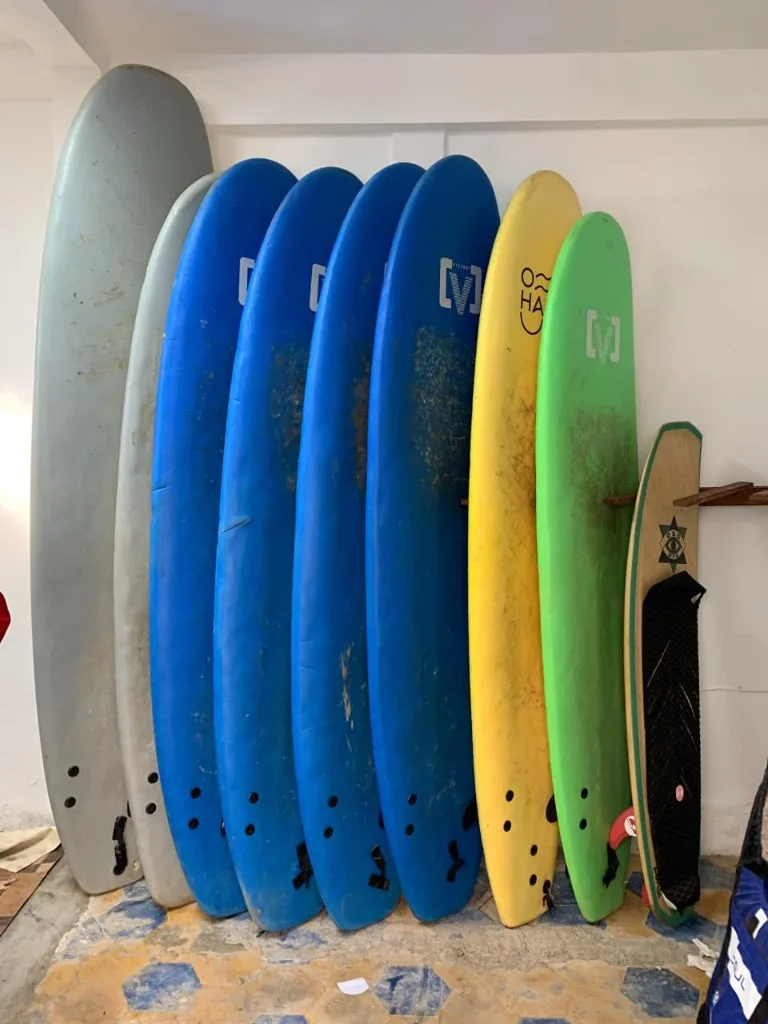
Don't overthink it. A proper surf school in Essaouira will handle the big items — board, wetsuit, leash. You just need to show up with the right base layers, sun protection, and an open mind. The ocean will handle the rest.
FAQ
Do I need a wetsuit for a surf lesson in Essaouira?
What should I wear under a wetsuit?
Can I wear water shoes while surfing?
What sunscreen works for surfing?
What does the surf school provide?
Keep reading
Related guides from our click here