This isn't my personal diary — I've been surfing for fifteen years. But it's the diary I see written across the faces of our students every single week. The exhaustion, the doubt, the breakthrough, the addiction. If you're planning your first week surfing in Essaouira, this is what you're actually going to feel, day by day, based on hundreds of beginners who've walked this exact path.
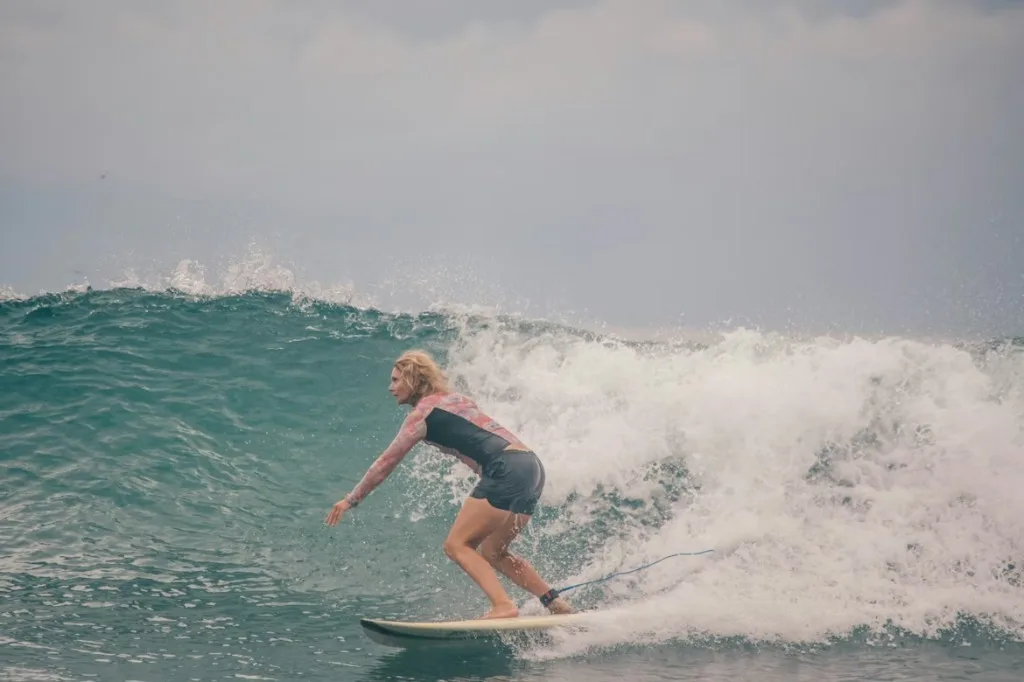
Day 1: the humbling
You arrive at the beach full of confidence. You've watched YouTube tutorials. You've seen the Instagram clips. How hard can it be?
The wetsuit goes on wrong. You trip over the leash walking to the water. The board is heavier than you expected. Your first attempt at a pop-up on the sand feels doable, but on the water it's like your arms and legs belong to someone else.
You catch a whitewater wave, sort of stand up for two seconds, and immediately fall. Salt water goes up your nose. The board hits your shin. You look around and see other beginners doing the same thing, which is slightly comforting.
By the end of the two-hour session, you've stood up maybe three times, each for less than five seconds. Your arms feel like they've been beaten with sticks. You can't imagine how people do this for fun. You tell yourself it was "interesting" but secretly wonder if you made a mistake.
What your instructor sees: Normal. Exactly normal. Day one is about survival and orientation. The fact that you stood up at all puts you ahead of 30% of beginners.
Day 2: the soreness
You wake up and discover muscles you didn't know existed. Your shoulders ache. Your neck is stiff from looking up while paddling. Your hips hurt from the pop-up attempts. Getting out of bed requires strategy.
The morning session starts with reluctance. Your body remembers the exhaustion. But something has shifted overnight — your muscle memory has processed yesterday's attempts. The pop-up feels slightly less foreign. You catch a wave, stand up, and actually ride it for ten seconds before falling. It's not pretty, but it's progress.
You start noticing details. How the waves come in sets. How the wind affects the surface. How other students position themselves differently. You're not surfing yet, but you're starting to read the ocean instead of just surviving it.
What your instructor sees: The "click" often happens between days two and three. Your brain is wiring new neural pathways. Trust the soreness — it means you worked hard enough to adapt.
Day 3: the breakthrough
This is the day that hooks people. The morning glass-off creates perfect small waves. Your instructor pushes you into a green wave — unbroken, face intact — and for the first time, you feel the difference. The wave isn't pushing you; you're riding it. The glide lasts fifteen seconds, then twenty. You actually turn slightly, adjusting your weight without thinking.
When you reach the beach, you're grinning. Not the polite smile of day one — the genuine, involuntary grin of someone who just experienced something new and wonderful. You understand now why people obsess over this sport.
The afternoon session builds on the morning's success. You catch three green waves independently. One is a left; you ride it facing the beach, and the world looks different from that angle. You fall less. You paddle more efficiently. The exhaustion is still there, but it's mixed with exhilaration.
What your instructor sees: Day three is when students transform from "people taking lessons" to "surfers." The addiction sets in. We see it in their eyes — they're no longer here for a holiday activity; they're here for the feeling.
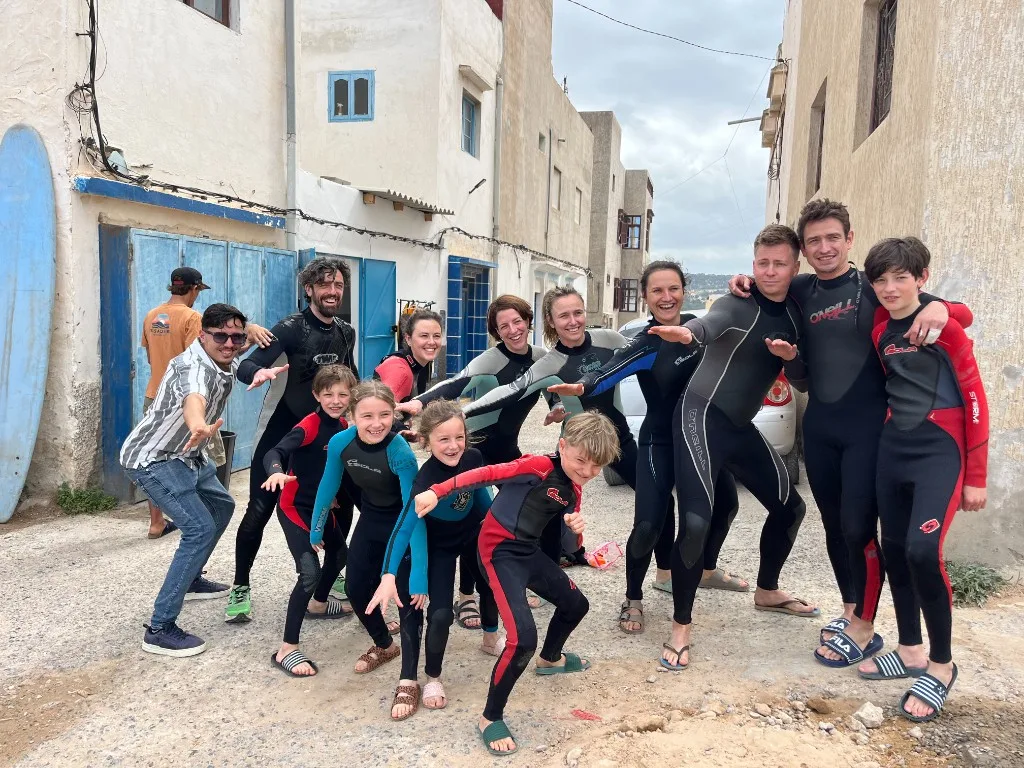
Day 4: the plateau
Not every day is a breakthrough. Day four often brings a reality check. Maybe the swell dropped and the waves are too small. Maybe you slept poorly and your arms give out early. Maybe you develop a bad habit — looking down, leaning back, hesitating — and suddenly can't catch waves you caught yesterday.
Frustration creeps in. You compare yourself to the student who started the same day and is already paddling out deeper. You wonder if day three was a fluke. The instructor gives you the same feedback repeatedly, and you start to feel like you're not listening to your own body.
This is the psychological test. Surfing progression isn't linear. Plateaus are where your body consolidates skills before the next jump. The students who push through day four's frustration are the ones who become real surfers. The ones who quit here never find out what day five holds.
What your instructor sees: Day four separates tourists from surfers. We pay extra attention to frustrated students because this is when they need encouragement, not technical correction.
Day 5: the consolidation
Something has settled. Your pop-up is automatic now — not fast, not stylish, but reliable. You can read a wave coming and position yourself without the instructor pointing. You're catching waves consistently, even if they're small.
More importantly, you're starting to surf independently. The instructor is nearby but not holding your board, not pushing you into every wave. You're choosing which waves to catch, which to let pass. You're making mistakes and self-correcting.
The social side emerges too. You know the other students' names. You cheer their waves. You compare notes over mint tea at the beach café. Surfing has become a shared language.
What your instructor sees: Day five students are ready for intermediate techniques. We introduce turning, trimming, and basic etiquette. The foundation is solid enough to build on.
Day 6: the exploration
You surf longer sessions because you're fitter now. Two hours no longer destroys you. You start noticing the beauty around you — the Mogador Islands, the seagulls diving, the way light plays on the water at 9 AM. Surfing becomes meditative.
You also start understanding surf culture. The nod to other surfers in the water. The unspoken rules about priority. The respect for the ocean that goes beyond safety and enters reverence.
What your instructor sees: Day six is when we start treating you like a peer, not just a student. We share local knowledge, spot recommendations, and honest feedback about your strengths and weaknesses.
Day 7: the decision
The final day of your first week surfing in Essaouira isn't about technique — it's about identity. You catch waves in the morning with a quiet confidence. You know you'll fall, and you don't care. You know you'll catch better waves too.
As you pack your board for the last time, you face a decision. Is this a holiday memory, or is this the beginning of something? Most people don't know yet. They need distance, perspective, the test of returning to normal life.
But some know immediately. They book their next trip before leaving. They start researching boards. They follow surf forecast accounts. They've crossed an invisible threshold from "person who tried surfing" to "surfer."
What your instructor sees: The best part of our job. Watching someone discover a lifelong passion. We can spot them on day seven — they carry their board differently, look at the ocean differently, say goodbye differently.
What the first week really teaches you
After seven days in Essaouira, you won't be an expert. You won't be ready for big waves or reef breaks. But you'll have something more valuable: the foundation. Ocean awareness. Wave reading. Board control. Etiquette. Physical conditioning. And most importantly, the knowledge that surfing is possible for you.
The "zero to hero" narrative is misleading. You're not a hero after one week. You're a beginner with potential. But that potential is real, and Essaouira's waves are patient enough to let you discover it at your own pace.
FAQ
What happens on day 1 of surf lessons in Essaouira?
When do beginners catch their first green wave?
Is surfing progression linear in the first week?
Is one week enough to learn surfing in Essaouira?
Do Essaouira surf schools offer 7-day packages?
Keep reading
Related guides from our surf tips and Morocco travel guides